


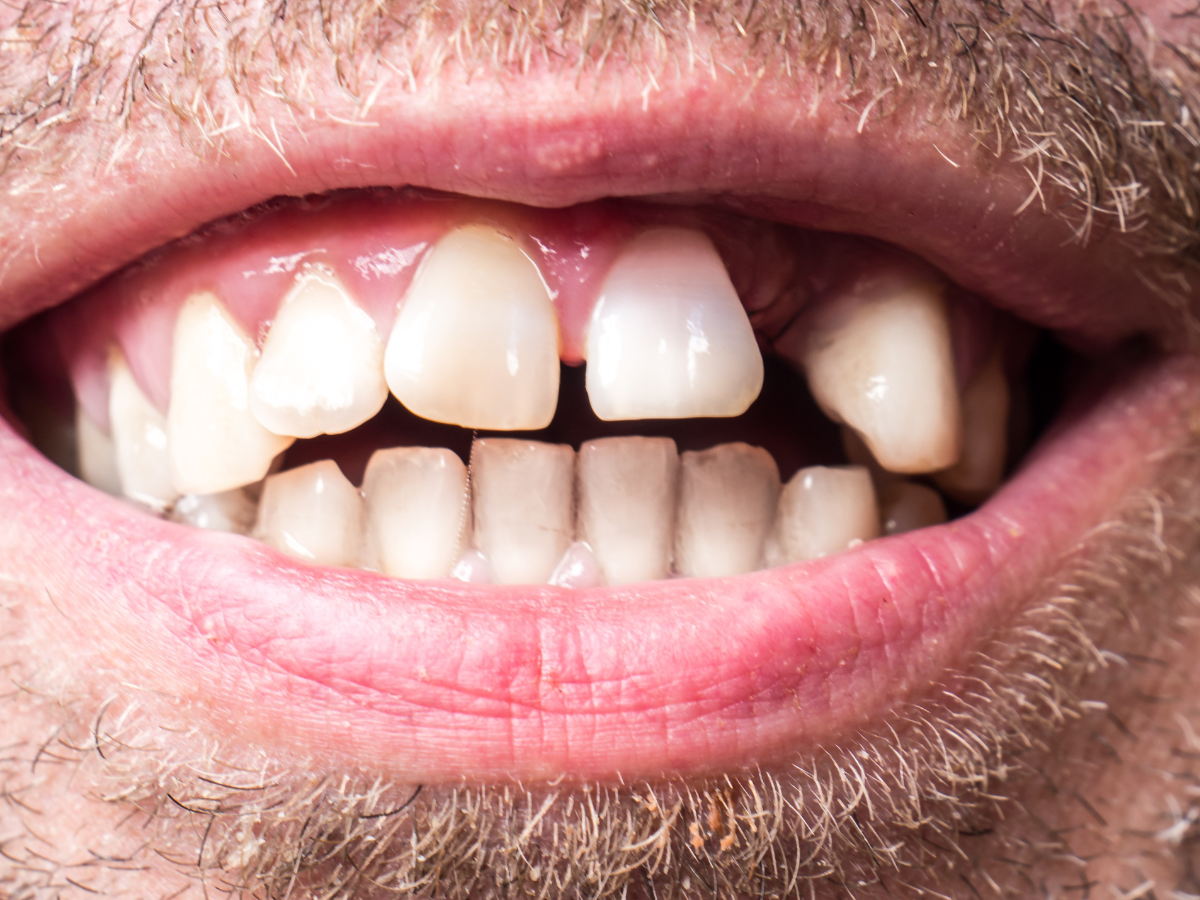
Invisalign for gaps in teeth is a popular and effective way to improve your smile without metal braces. Many patients come in with spaces between their teeth and want a solution that looks natural and feels comfortable. Clear aligners can gently move teeth into better positions while keeping your daily routine simple.
If you are dealing with gaps, it is important to understand why they happen and how treatment works.
What Causes Gaps Between Teeth?
Gaps, also called diastema, can develop for several reasons. Some are harmless, while others may affect your oral health.
Common Causes
- Natural tooth size and jaw size mismatch
- Missing teeth
- Gum disease that affects bone support
- Habits like thumb sucking
- Tongue pushing against teeth
In some cases, gaps are purely cosmetic. In others, they may signal underlying issues that need attention.
Symptoms and Concerns Linked to Tooth Gaps
Not all gaps cause problems, but some can lead to discomfort or oral health risks.
Common Concerns
- Food getting stuck between teeth
- Gum irritation or inflammation
- Changes in bite alignment
- Speech issues in some cases
If gaps are large or increasing, it is a good idea to have them assessed early.
How Invisalign for Gaps in Teeth Works
Invisalign for gaps in teeth uses a series of custom-made clear aligners. Each set applies gentle pressure to move teeth closer together over time.
Step-by-Step Process
- Digital scan of your teeth
- Custom treatment plan created
- Series of aligners designed for gradual movement
- Aligners changed every one to two weeks
Each aligner shifts your teeth slightly. Over time, the spaces close, and your smile becomes more balanced.
Benefits of Invisalign for Closing Gaps
Clear aligners offer several advantages compared to traditional braces.
Key Benefits
- Nearly invisible appearance
- Removable for eating and cleaning
- Comfortable with no metal wires
- Fewer dental visits in many cases
Patients often prefer Invisalign because it fits easily into their lifestyle.
Treatment Options for Different Types of Gaps
Not all gaps are treated the same way. The right approach depends on the cause and size of the space.
Small to Moderate Gaps
Invisalign alone is usually enough to close the space effectively.
Larger Gaps
You may need a combination of treatments, such as:
- Invisalign to move teeth
- Bonding to reshape teeth
- Veneers for cosmetic enhancement
Gaps Caused by Gum Disease
Gum health must be treated first. Once the gums are stable, aligners can help reposition the teeth safely.
How Long Does Invisalign Take to Close Gaps?
Treatment time varies based on your case.
Typical Timeline
- Minor gaps: 3 to 6 months
- Moderate gaps: 6 to 12 months
- Complex cases: 12 months or more
Consistency matters. Wearing aligners for 20 to 22 hours per day helps you stay on track.
When to See a Dentist About Gaps
You should not ignore changes in your teeth. It is best to seek advice if you notice:
- Gaps that are getting wider
- Gum bleeding or swelling
- Difficulty chewing
- Changes in how your teeth fit together
A proper exam will help identify the cause and guide the right treatment plan.
What to Expect During Invisalign Treatment
Starting Invisalign is simple, but it does require commitment.
Daily Routine
- Wear aligners most of the day
- Remove them only for meals and cleaning
- Brush and floss regularly
- Clean aligners daily
You may feel slight pressure when switching aligners. This is normal and shows the teeth are moving.
Maintaining Results After Treatment
Once your gaps are closed, keeping your results is important.
Retention Tips
- Wear retainers as advised
- Keep up with dental checkups
- Maintain good oral hygiene
Without retention, teeth can shift back over time.
Final Thoughts
Invisalign for gaps in teeth offers a clear and effective way to close spaces and improve your smile. It works by gently guiding your teeth into better alignment while keeping your treatment comfortable and discreet.
If you are considering closing gaps in your teeth, the team at Dentists At Metrotown can help you understand your options and create a plan that fits your needs. Book a consultation to see if Invisalign is right for you.