


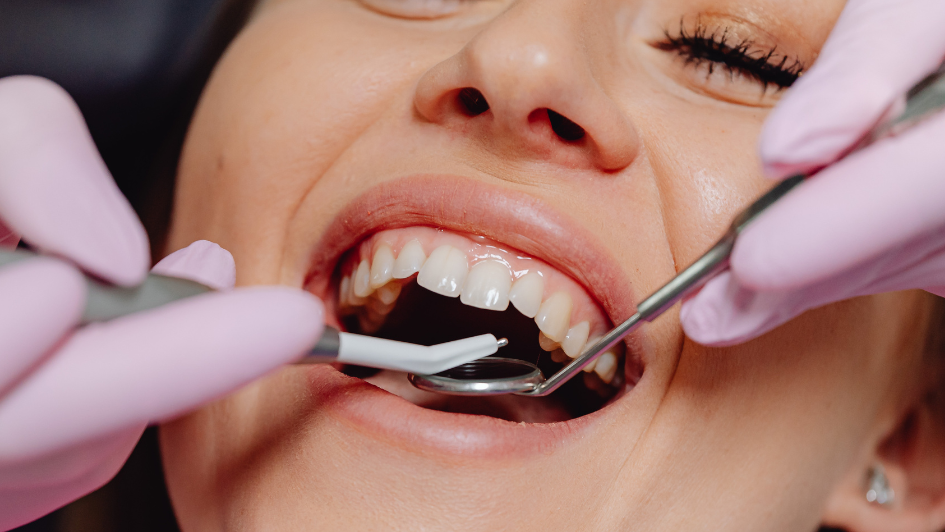
Genetics and Tooth Decay is a question many families ask, especially when cavities seem to run in the family. Some people brush and floss carefully yet still struggle with decay, while others appear more resistant despite similar habits. So, is tooth decay something you can inherit, or does daily care matter more?
Science suggests the answer lies somewhere in between.
How Genetics Can Influence Tooth Decay Risk
Research shows that genetics can influence several factors related to cavity risk. These include tooth enamel strength, saliva composition, tooth shape, and even how your immune system responds to oral bacteria.
For example, some people naturally have deeper grooves in their teeth, which makes plaque harder to remove. Others may produce less saliva or saliva that does not neutralize acids as effectively. Since saliva plays a key role in washing away food particles and balancing pH levels, this can increase the risk of decay over time.
These inherited traits may help explain why cavities can appear more frequently in certain families.
What Genetics Does Not Control
While Genetics and Tooth Decay are connected, genetics alone do not cause cavities. Tooth decay occurs when bacteria feed on sugars, produce acids, and weaken enamel. Diet, oral hygiene, fluoride exposure, and regular dental care play a major role in this process.
Even individuals with a higher genetic risk can often prevent cavities through good preventive care. Likewise, someone with strong enamel can still develop decay if brushing habits, diet, or dental visits are neglected.
Why Children May Be More Affected
Children often inherit not only genetic traits but also family habits. Similar diets, snacking patterns, and oral care routines can contribute to similar dental outcomes within families.
This is why early dental visits and preventive care are so important. Identifying risk factors early allows dentists to recommend protective measures such as sealants, fluoride treatments, and personalized hygiene guidance.
The Role of Preventive Dentistry
Genetics and Tooth Decay may influence risk, but preventive dentistry helps level the playing field. Regular checkups allow early detection of weak enamel, early cavities, and gum issues before they become more serious.
Preventive care focuses on:
- Professional cleanings to remove plaque and tartar
- Fluoride to strengthen enamel
- Sealants to protect vulnerable teeth
- Education for parents and children
These steps are especially valuable for families with a history of dental decay.
Myth-Busting FAQs About Genetics and Cavities
Myth: If cavities run in my family, there’s nothing I can do.
Fact: Genetics increase risk, but daily oral care and professional prevention can significantly reduce cavities.
Myth: Kids with cavities inherited bad teeth.
Fact: Genetics may play a role, but diet, brushing habits, and early dental visits matter just as much.
Myth: Strong enamel means no cavities.
Fact: Even strong teeth can decay if plaque and acids are not controlled.
Myth: Cavities are inevitable with age.
Fact: Tooth decay is preventable at any age with proper care and monitoring.
What This Means for Your Family
Understanding Genetics and Tooth Decay helps families take a proactive approach to oral health. Knowing your risk allows you to focus on prevention rather than reacting to problems after they develop.
Family dentistry is not just about fixing teeth. It is about education, early intervention, and building healthy habits that last a lifetime.
Take a Preventive Approach Today
Genetics and Tooth Decay may influence your starting point, but your daily habits and dental care shape the outcome. If you are concerned about cavities in yourself or your children, a professional assessment can make a real difference.
Book your consultation with Dentists At Metrotown today and take the first step toward stronger, healthier smiles for your entire family.